Proudly serving Mesa, Gilbert, Chandler, Tempe, Scottsdale, Queen Creek & surrounding areasCall or Text 24/7: 480-210-6373
Stucco homes and saguaro cacti in a suburban Mesa, AZ neighborhood under bright daylight.

Mesa Excavation Co.: Site Preparation & Grading in Tempe, AZ

Mesa Excavation Co. handles site preparation and grading, land clearing, and utility trenching in Tempe, Arizona. We prepare residential, commercial, and industrial properties for the work that follows. Our crews also handle foundation excavation and building pads, pool digs, demolition, drainage excavation, hauling, and hydro excavation.

Caliche and decomposed granite can slow a dig, while tight infill lots near Arizona State University leave little room for equipment. We match machines to the ground conditions and available access. Our licensed, bonded, and insured crews coordinate permits and plan drainage before the next construction phase. Request a free on-site estimate to discuss your lot, scope, and schedule.

We work throughout Downtown Tempe, the Mill Avenue district, South Tempe, the Kyrene Corridor, and Warner Ranch, including properties near Papago Park and Tempe Town Lake.

★ ★ ★ ★ ★4.9/5 Customer Rating - 28 Years of Excavation Experience - 1,000+ Projects Completed - Licensed, Bonded & Fully Insured - Residential & Commercial Site Work
Complete Dirt Work

Excavation Services in Tempe, AZ

Choose the work your project needs, from clearing a vacant parcel to preparing its final building pad. For projects spanning Tempe and Scottsdale, AZ , we can coordinate the excavation scope across properties while reviewing each site's access, soil, and drainage needs.

Site Preparation & Grading

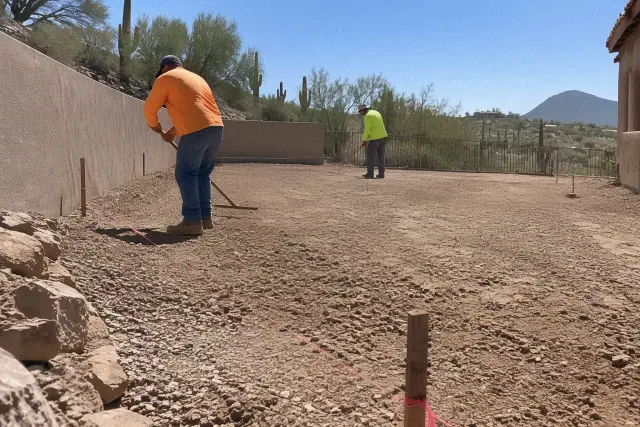
Manual site grading with gravel, grade stakes, and string lines on Sonoran desert soil in Tempe, AZ.

We handle rough grading, fine grading, bulk excavation, and cut and fill for residential, commercial, and industrial sites. Drainage slopes and final elevations guide the work before compaction. Explore Service »

Explore Service

Land Clearing

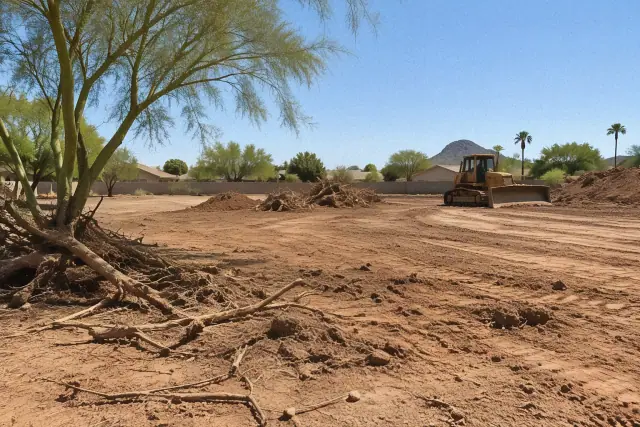
Forestry mulcher clearing brush and small trees on a rugged desert plot in Tempe, AZ.

Clear desert scrub, mesquite, creosote, old fencing, and debris before construction begins. We clear and grub vacant lots to leave workable ground for grading. Explore Service »

Explore Service

Utility Trenching

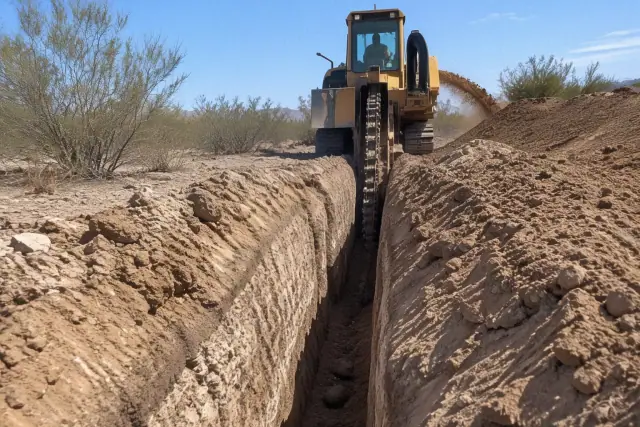
Trenching machine cutting a deep narrow channel into arid desert soil for underground pipe installation in Tempe, AZ.

We excavate water, sewer, electrical, and irrigation trenches to the required depth and bedding specifications. Work follows the applicable Salt River Project and City of Tempe utility standards, with backfill placed in lifts. Explore Service »

Explore Service

Foundation Excavation & Building Pads

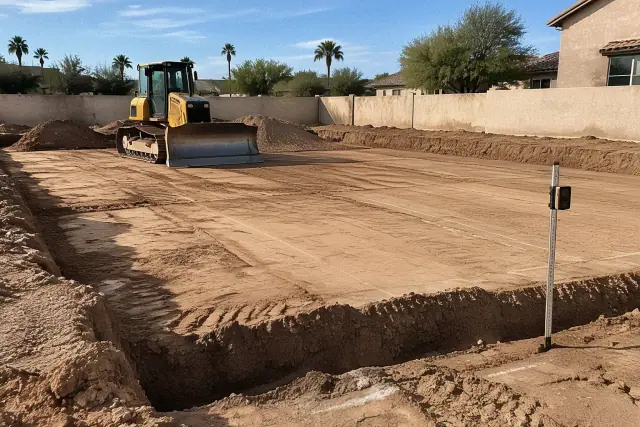
Bulldozer leveling a compacted earthen pad for a foundation in Tempe, AZ.

Footings, stem walls, and slab areas are excavated to the structural engineer's depths and tolerances. Building pads are cut, filled, and compacted to the geotechnical report's density requirements, usually 95% Standard Proctor for structural fill.

Pool Excavation

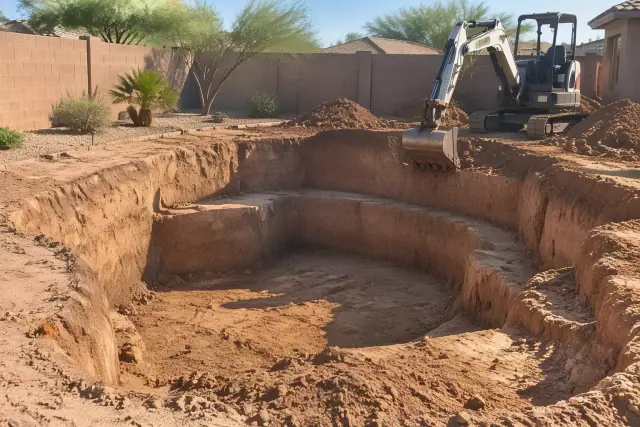
Compact excavator digging a residential pool in a backyard in Tempe, AZ.

We dig to the specified shape and depth for gunite, shotcrete, and vinyl liner pools. Caliche layers and backyard access are assessed before choosing equipment and planning the excavation.

Pool Demolition & Removal

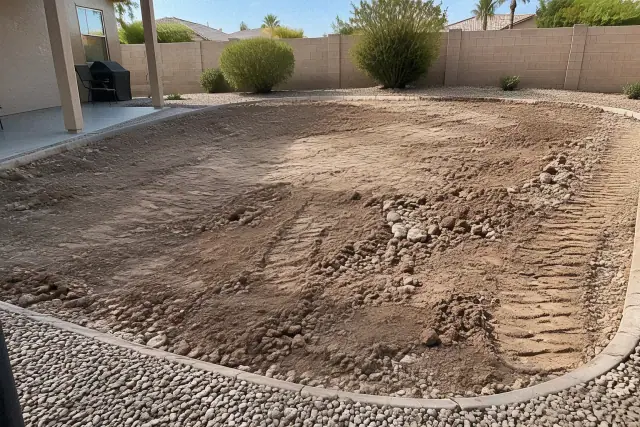
Completed pool demolition and backfill grading in a residential backyard in Tempe, AZ.

Pool demolition can involve full removal or a partial fill-in with drainage and compacted fill. Full removal includes breaking the shell, hauling the debris, and compacting replacement material in lifts.

Concrete Demolition & Removal

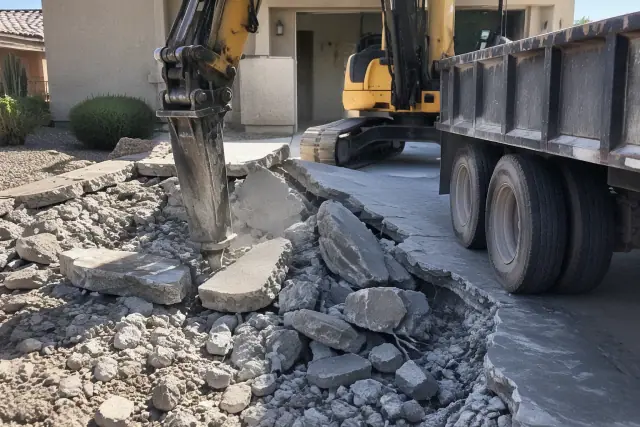
Manual concrete demolition and removal at a job site in Tempe, AZ.

We break and remove driveways, patios, slab foundations, and rebar-reinforced footings. Concrete debris is hauled off-site for recycling or disposal so construction or landscaping can proceed.

Drainage & Retention Excavation

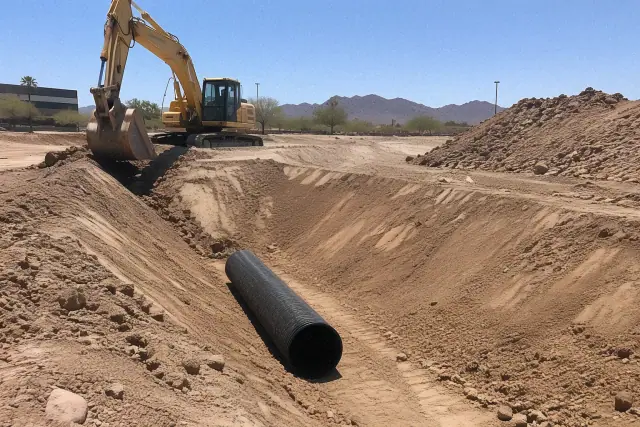
Tracked excavator digging a trench for a stormwater detention system in Tempe, AZ.

Swales, French drains, area drains, and retention basins address different stormwater needs. We excavate drainage features to the project plan and size retention earthwork to the city's stormwater volume calculations.

Dirt & Rock Hauling

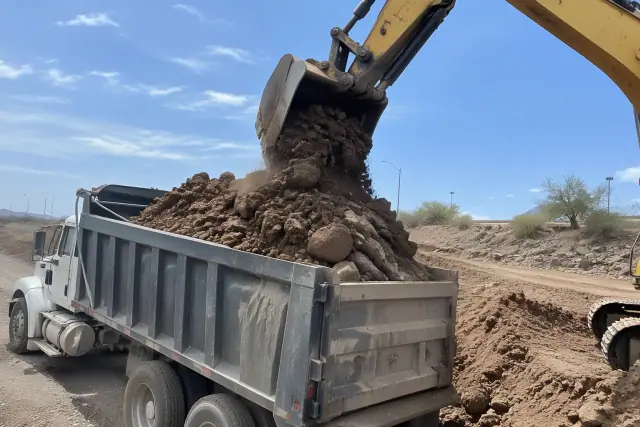
Excavator dumping stone and earth into a haul truck in Tempe, AZ.

Export dirt, caliche, and decomposed granite can crowd an active site. We haul material to approved fill sites or disposal and recycling yards, and deliver backfill, base rock, or select fill as needed.

Hydro Excavation

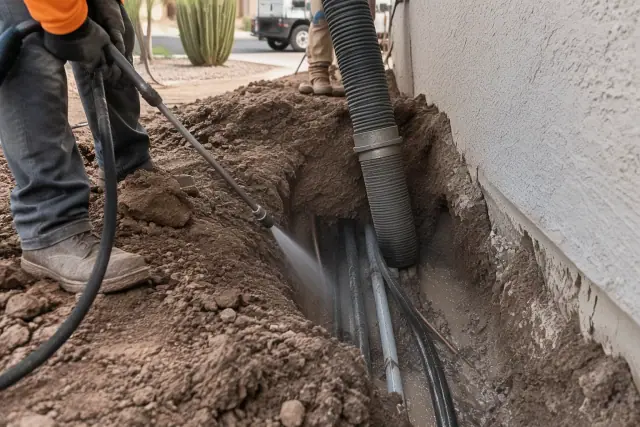
Hydro excavation crew exposing underground utilities in a residential yard in Tempe, AZ.

Pressurized water and vacuum extraction expose buried utilities where mechanical digging presents added risk. Hydro excavation is useful around SRP power lines, gas lines, and fiber conduit in congested corridors.

Plan the Work

Choose the Right Excavation Scope

A yard regrade, building pad, and utility trench call for different excavation plans. Start with the intended use, available engineering, and site conditions so the estimate accounts for the work your property actually needs.

Match Equipment to Lot Access

A half-acre infill parcel near ASU needs a different equipment plan from a multi-acre commercial pad off the 101. Compact track loaders suit restricted residential access, while larger sites may call for full-size excavators and dozers.

Set Foundation Depths from Plans

Foundation excavation must follow the structural engineer's footing, stem wall, and slab requirements. Tie the dig into the grading plan so pad elevations are ready for the foundation contractor.

Plan Drainage Before Final Grade

Slope and retention need to work together. Grading typically establishes a minimum 2% fall away from structures before final compaction, with the drainage plan guiding swales, drains, and basin excavation.

Choose the Right Utility Digging Method

Conventional trenching suits planned utility routes with defined depths and bedding. Where existing power, gas, or fiber lines crowd the work area, hydro excavation can expose them with less mechanical digging risk.

Include Export and Fill Delivery

Caliche and decomposed granite may need hauling rather than reuse. Discuss export quantities, approved destinations, hauling distance, and any base rock or select fill needed for the next stage.

Confirm Compaction and Inspection Needs

The geotechnical report sets the density target for structural fill. Include density testing and required inspection records in the scope so the finished pad or trench can be checked before construction continues.

Tempe Site Challenges

Ground Conditions That Complicate Excavation

Tempe earthwork has to account for hard ground, constrained access, and changing soil moisture. Identifying these conditions during assessment helps shape equipment selection, drainage staging, and the construction schedule.

Request a Site Assessment

Caliche That Resists Digging

Caliche is a cemented calcium carbonate layer that can run several feet thick and behave more like soft rock than soil. Rock hammers, rippers, and heavier excavators help crews work through ground that undersized machines struggle to break.

Stormwater in Open Excavations

Monsoon season, typically mid-June through September, can bring an inch of rain in under an hour. Open cuts can flood or saturate, making early drainage staging and weather windows important to the work sequence.

Restricted Infill Access

Dense development around Mill Avenue and the Rio Salado corridor leaves limited room for equipment staging. Nearby structures, lot lines, and mature landscaping need attention before machines enter the property.

Buried Utility Conflicts

Existing water, sewer, power, gas, and fiber routes can overlap planned excavation. Utility locate coordination and careful exposure help the crew understand conflicts before proceeding through a congested area.

Soil That Dries Too Quickly

Summer heat and low humidity can dry excavated soil before it reaches the moisture condition needed for compaction. Crews account for moisture during earthwork and test density as the fill is placed.

Settling After Pool Fill-In

Poorly compacted pool backfill can settle after the surface has been restored. Removal scope, drainage, and fill placement need to be addressed together, with backfill compacted in lifts.

Local Excavation Experience

Why Choose Mesa Excavation Co. in Tempe, AZ

We manage site preparation from land clearing through final compaction, keeping the work under one contractor. Our grading and foundation excavation crews coordinate elevations and the handoff to your next construction trade.

Familiar with Tempe Infill Work

ASU-adjacent development and older residential neighborhoods bring access and setback challenges. We plan equipment staging around tight lots, neighboring property, and existing landscaping.

Licensed, Bonded, and Insured

We hold the licensing required by the Arizona Registrar of Contractors and are bonded and insured for public right-of-way and private property work. You can check our registration through the agency's license lookup before signing a contract.

Equipped for Desert Ground

Caliche-breaking equipment, hydro excavation units, and haul trucks support different stages of the job. We choose equipment for the material and access conditions instead of treating every excavation alike.

How the Work Proceeds

From Site Assessment to Final Inspection

Our process connects the initial lot review with clearing, excavation, grading, and approval. The sequence is adjusted to the engineered plan and the conditions found on your property.

01.

Walk the Site and Define the Scope

We review the lot, available geotechnical report, access, and planned construction. This assessment establishes the excavation scope and the basis for your estimate.

02.

Coordinate Permits and Utility Locates

We confirm permit needs with Tempe Development Services and coordinate utility conflicts through Arizona 811 before mobilization. Dust control requirements are reviewed with the Maricopa County Air Quality Department where applicable.

03.

Clear and Prepare the Ground

Crews remove vegetation and debris, then strip topsoil as the plan requires. Soft spots and unsuitable material are removed during subgrade preparation before base placement.

04.

Excavate and Move Cut and Fill

Earthwork follows the engineered grading plan, including the cuts and fills needed to form the site. Major grading may involve thousands of cubic yards and hauling logistics coordinated across multiple days.

05.

Compact and Fine Grade

Fill is compacted in lifts, typically 8 inches or less, with density checked at each stage against the specified Standard or Modified Proctor target. Fine grading brings the site to its final elevations and drainage slope.

06.

Complete Testing and Grading Sign-Off

We coordinate the city inspection and provide compaction test reports where required. The pad or trench must pass the applicable inspection before the next construction phase proceeds.

Project Applications

Preparing Tempe Properties for the Next Phase

Case Study 1: Residential building pads: Foundation excavation and grading work together to establish the planned footing depths and pad elevations before concrete work begins.

Case Study 2: Commercial site preparation: Cut and fill, hauling, and retention excavation prepare the property for its planned development while addressing stormwater storage needs.

Case Study 3: Pool and concrete removal: Demolition, debris hauling, and compacted backfill clear existing features from the work area before new construction or landscaping.

Discuss Your Project

Request a Free Excavation Estimate

Tell us about your Tempe property, the work you have planned, and any engineering documents available. We assess soil and access conditions on-site so the estimate reflects your excavation, grading, drainage, and hauling scope.

Planning Your Excavation

Excavation and Grading FAQs for Tempe, AZ

These answers cover project timing, cost factors, ground conditions, and the work involved in preparing a site. The initial assessment helps determine how each applies to your property.

Call Our Experts

Permit needs depend on the amount of cut and fill, drainage changes, and whether work enters the public right-of-way. Grading and drainage review go through the City of Tempe Development Services Department, while right-of-way trenching requires a separate permit. Dust-generating work may also need a Maricopa County Air Quality Department permit under Rule 310. We confirm the applicable requirements and handle permit applications and inspections as part of our process.

A standard residential lot clearing and grading job typically takes 2 to 5 days, depending on lot size, caliche depth, and any utility trenching. Commercial pads and larger subdivisions can take several weeks. Weather and hauling requirements also affect the schedule, which we discuss after assessing the site.

Small residential regrades often run a few thousand dollars, while larger commercial pads can reach well into five or six figures. Lot size, caliche depth, cut and fill quantities, hauling distance, and bundled trenching or drainage work all affect the price. We provide free on-site estimates based on the property's soil and access conditions.

Foundation digging in Tempe often encounters soil that's 90% compacted caliche within a few feet of grade. This cemented ground takes more breaking effort and machine time than loose fill. We assess the conditions and select equipment suited to reaching the engineer's specified depths and tolerances.

Rough grading establishes the site's overall shape through cut and fill. Fine grading brings the surface to its final elevations and drainage slope before paving or foundation work. Both stages need to coordinate with compaction and the engineered plan.

Our planning includes an Arizona 811 locate request at least two full business days before excavation begins. Utility conflicts are reviewed before equipment mobilization. Existing lines and the proposed dig determine where additional care or hydro excavation is appropriate.

Hydro excavation uses pressurized water and vacuum extraction to expose buried lines. It is useful near SRP power lines, gas lines, and fiber conduit where congested conditions make mechanical digging riskier. The method is selected around the utilities and scope of the work.

Yes, we excavate new pools to their planned shape and depth and also handle pool demolition and removal. Removal scope may involve full shell removal or a partial fill-in with appropriate drainage and compacted fill. Full removal includes hauling debris and compacting backfill in lifts to reduce future settling.

Yes, our concrete removal work includes rebar-reinforced slabs and footings as well as driveways and patios. We break and haul the material for recycling or disposal. This clears existing concrete from areas planned for new construction or landscaping.

Retention excavation follows the stormwater storage volume calculated for the development. Many Tempe residential projects and most new commercial developments require on-site retention, so drainage review is part of defining the scope. We coordinate the earthwork with the reviewed drainage plan.

Yes, we haul export dirt and rock to approved fill sites or appropriate disposal and recycling yards. Caliche and decomposed granite may need removal rather than reuse. We can also deliver backfill, base rock, and select fill required by the project.

Summer heat and low humidity dry cut soil quickly, which affects compaction moisture. Monsoon rainfall can flood or saturate open cuts and delay the next stage. We plan around weather windows and establish drainage early on active sites.

We cover Tempe from North Tempe near Sky Harbor's flight paths to South Tempe near the Kyrene school corridor. Our work includes Downtown Tempe, Warner Ranch, and properties around Tempe Town Lake and Papago Park. We also serve Mesa, Chandler, Scottsdale, Guadalupe, and Ahwatukee, with coverage throughout Maricopa County.

Our crews follow OSHA excavation standards under 29 CFR 1926 Subpart P for trench shoring and slope protection. The excavation plan accounts for the working area and ground conditions. Utility coordination is also completed before the dig proceeds.

We walk the lot and review any available geotechnical report and engineered grading or foundation plans. Access, soil conditions, utility conflicts, and permit requirements help define the work. We then discuss scope and timing before mobilizing equipment.